10 Things to Know Before Outsourcing Lot Maintenance (2026)
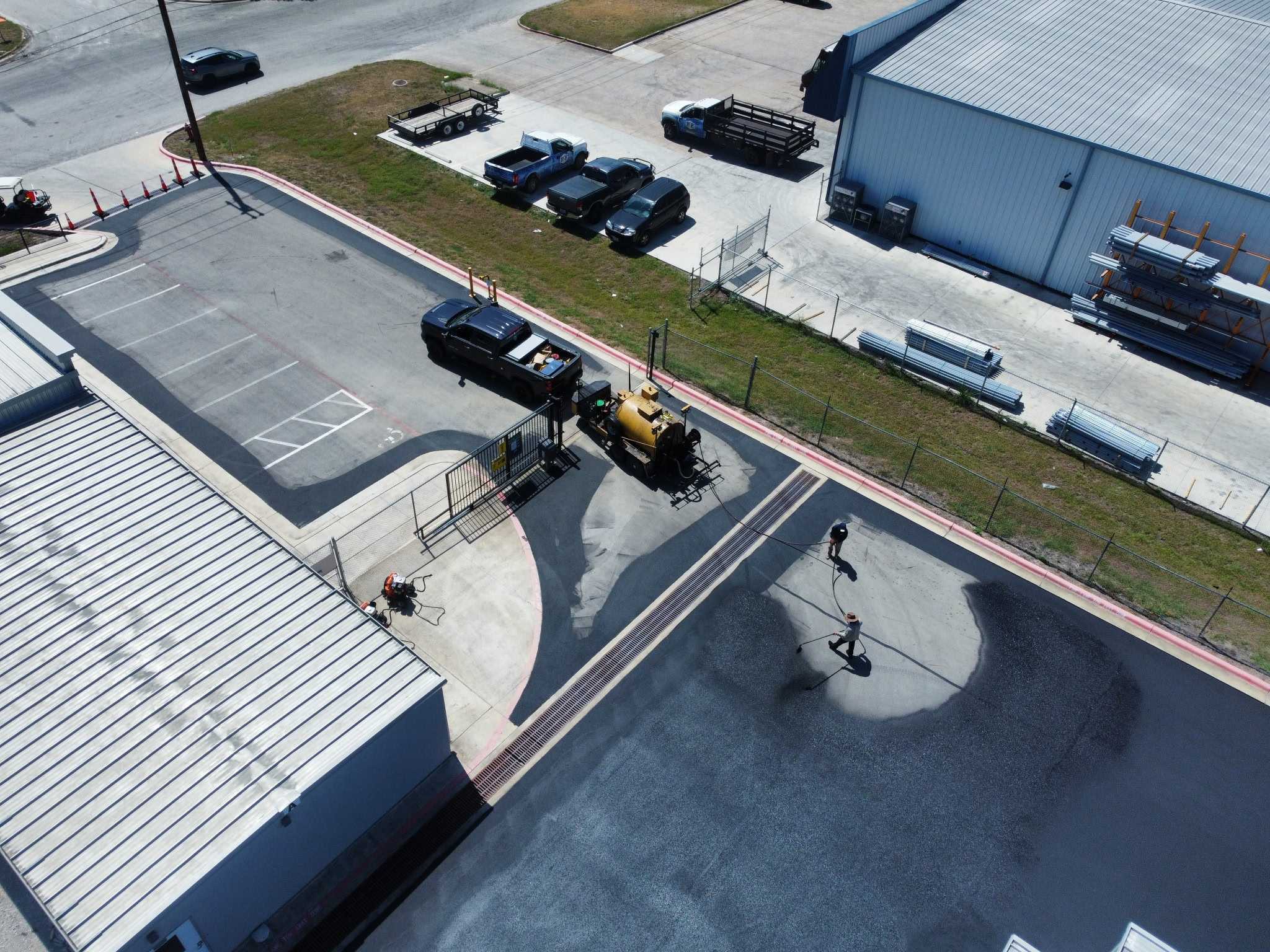
Outsourcing parking lot maintenance services can simplify your workload and protect your pavement investment for years. But choosing the wrong contractor creates headaches that cost more than the original problem. Diamond Solutions helps property managers across 48 states evaluate contractors with clear proposals, on-site assessments, and one dedicated point of contact.
This guide walks you through the factors that matter most when vetting a parking lot maintenance contractor. You'll learn how to compare bids, verify credentials, and set expectations before signing a contract.
Key Takeaways: Outsourcing Parking Lot Maintenance
- Define a clear scope of work before requesting bids so every contractor prices the same job accurately.
- Verify each contractor's licensing, insurance certificates, and workers' compensation coverage through the issuing authority independently.
- Compare proposals by line-item unit rates and material specifications, not just the total price listed.
- Diamond Solutions provides transparent proposals backed by on-site pavement assessments and drone-mapped repair plans across 48 states.
- Establish written communication expectations and ask how the contractor documents and handles change orders during active projects.
Factors to Evaluate Before Outsourcing Your Parking Lot Maintenance
1. Define Your Scope of Work First
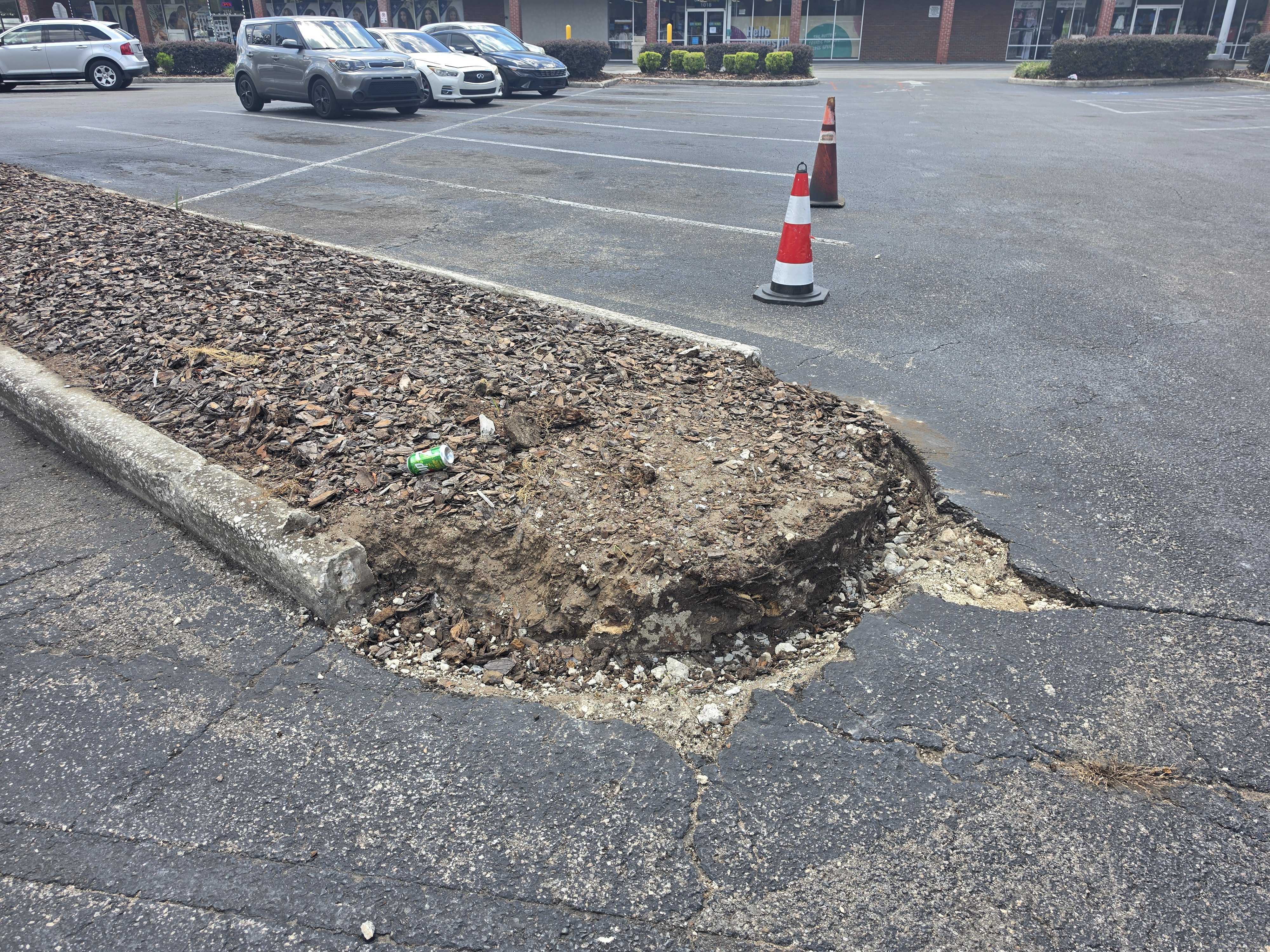
A clear scope is the foundation of every successful parking lot project. Walk your lot and document specific concerns: water pooling areas, trip hazards, faded striping, and cracks that developed over the winter months. Pay close attention to areas near entrances and high-traffic drive lanes.
Take measurements and note the square footage for each area that needs attention. When every bidder prices the same defined scope, you can compare proposals on equal terms rather than guessing why one quote came in at half the price of another.
2. Verify Licensing and Insurance Independently
The parking lot services industry has relatively low barriers to entry. A contractor can purchase basic equipment, hire a small crew, and start bidding without formal certifications or training. That reality makes your vetting process more important than it might first appear.
Request certificates of insurance directly from the insurer, not from the contractor. Confirm active general liability coverage and workers' compensation. Ask for a copy of their state or local contracting license and verify it independently through the issuing authority before scheduling any work.
3. Evaluate Experience With Commercial Properties
A contractor who primarily handles residential driveways may not understand the coordination challenges of a busy retail parking lot. Ask how many commercial properties they've completed in the past two years, and request references from property managers with portfolios similar to yours.
Look for experience with phased work that keeps your lot partially open during construction. The ability to stage projects around business hours and dock schedules directly affects your tenants, your revenue, and the day-to-day operations at your property.
4. Compare Proposals by Line Items, Not Just Total Price
Two proposals at the same total price can deliver very different outcomes. One contractor might specify a two-inch mill and overlay with proper compaction and tack coat application. Another might propose a thin surface treatment that fails within a single season of normal traffic.
Review each proposal for material specifications, asphalt mix design, preparation methods, and quantities per square foot. Ask about items excluded from the written quote, such as traffic control, ADA compliance markings, or final cleanup and debris removal.
5. Assess Communication and Project Management Practices
How a contractor communicates during the bidding process usually reflects how they'll communicate during your project. Were they responsive to your initial inquiry? Did they provide a clear timeline for the proposal delivery? Did they ask informed questions about your property's specific needs?
Look for contractors who offer a dedicated point of contact, regular project updates, and photo documentation from the job site. These practices reduce surprises and give you the visibility you need to manage your portfolio with confidence.
6. Ask About Preventive Maintenance Programs
Reactive repairs almost always cost more than proactive maintenance. Sealcoating costs pennies per square foot. Repaving costs dollars. A contractor who offers scheduled preventive maintenance programs, including crack sealing, sealcoating, and striping on a planned cycle, can help you avoid the cost and disruption of emergency repairs entirely.
Ask whether they use pavement assessments to prioritize work based on current condition, traffic volume, and regional climate patterns. A data-driven approach ensures your maintenance budget targets the areas where your investment matters most.
7. Understand How They Handle Change Orders
Unexpected conditions under the surface, such as a failed sub-base or hidden drainage issues, can add costs to any parking lot project. The critical question is how your contractor communicates and manages those surprises when they occur.
Before signing, ask what types of change orders are possible and how they would notify you. Look for a written process that requires your approval before any additional work begins, with clear documentation of both the reason for the change and the associated cost.
8. Evaluate Their Geographic Reach and Consistency
If you manage properties in multiple states, coordinating different local contractors for each site creates significant administrative overhead and inconsistency. You'll deal with varying quality levels, different communication styles, separate billing, and no centralized view of your portfolio's pavement condition.
A contractor with multi-site capabilities can standardize your pavement program across your entire portfolio. One contractor, one point of contact, one consistent standard across every property reduces the coordination burden on your facilities team and keeps all project documentation in one place.
9. Review Warranty Terms and Post-Project Support
A completed project is only as good as the warranty behind it. Ask your contractor exactly what is covered, for how long, and what conditions or actions on your part could void the warranty terms.
Reliable contractors provide written warranties that specify coverage for both materials and workmanship. They also offer post-project support, such as follow-up inspections, to catch minor issues before they escalate into larger problems. If a contractor hesitates to put warranty terms in writing, that tells you something about their confidence in the finished work.
10. Request a Detailed Pavement Assessment Before Committing
A qualified contractor should assess your lot before proposing any solution. That assessment might include on-site walkthroughs, satellite imagery, or even drone flyovers to capture the full scope of your pavement condition and help you identify the right priorities for your budget.
Diamond Solutions provides free pavement assessments that include repair mapping and consulting, so you can visualize the recommended solution before approving any work. A thorough assessment protects you from paying for repairs you don't need and from missing critical repairs you do.
How to Choose the Right Parking Lot Maintenance Contractor
Outsourcing parking lot maintenance is a significant decision that affects your budget, your tenants, and the long-term condition of your properties. Take the time to define your scope, compare proposals by the details, and verify credentials before you commit.
Diamond Solutions makes this process clear, simple, and fast for property managers across 48 states. One call, one contractor, and one consistent standard across your entire portfolio. Book a demo of Vision to see how pavement becomes something you manage instead of something that surprises you.
FAQs About Outsourcing Parking Lot Maintenance
What should a parking lot maintenance proposal include?
A complete proposal should list material specifications, quantities, unit pricing, preparation methods, and exclusions. It should also include a project timeline and scheduling details. Proposals that show only a lump-sum total make it difficult to compare contractors or hold anyone accountable for specific line items.
How many bids should I get for a parking lot project?
Most property management companies require at least three bids. Getting multiple proposals gives you a baseline for comparison and helps you identify outliers. Start reaching out to contractors at the end of winter to give yourself enough lead time before construction season.
What is the difference between reactive and preventive parking lot maintenance?
Reactive maintenance addresses problems after they appear, like filling a pothole after a tenant complaint. Preventive maintenance follows a planned schedule of crack sealing, sealcoating, and striping to slow deterioration before it requires costly repairs.
How do I evaluate a contractor's quality if I manage properties in multiple states?
Ask for references from other multi-site property managers and check whether the contractor maintains consistent quality standards across locations. Diamond Solutions operates in 48 states and uses its Vision platform to give you visibility into every project, regardless of location.
What insurance should a parking lot contractor carry?
At minimum, your contractor should carry general liability insurance and workers' compensation coverage. Request certificates directly from the insurer, not just a copy from the contractor. This protects you from liability if an accident or property damage occurs during the project.
When is the right time to schedule parking lot maintenance?
Most asphalt work requires dry conditions and temperatures above 55 degrees Fahrenheit. Plan your maintenance during the spring or early fall window to avoid weather delays. According to a 2026 analysis by WeLovePaving, delaying maintenance increases repair scope, costs, and disruption to tenants significantly.
Get started with Diamond Solutions' pavement assessment program and see property intelligence in a whole new way!
Related POsts
10 Things to Know Before Outsourcing Lot Maintenance (2026)
6 Best Paving Partners for Distribution Center Lots (2026)