
How to Compare Commercial Asphalt Paving Bids in 7 Steps (2026)
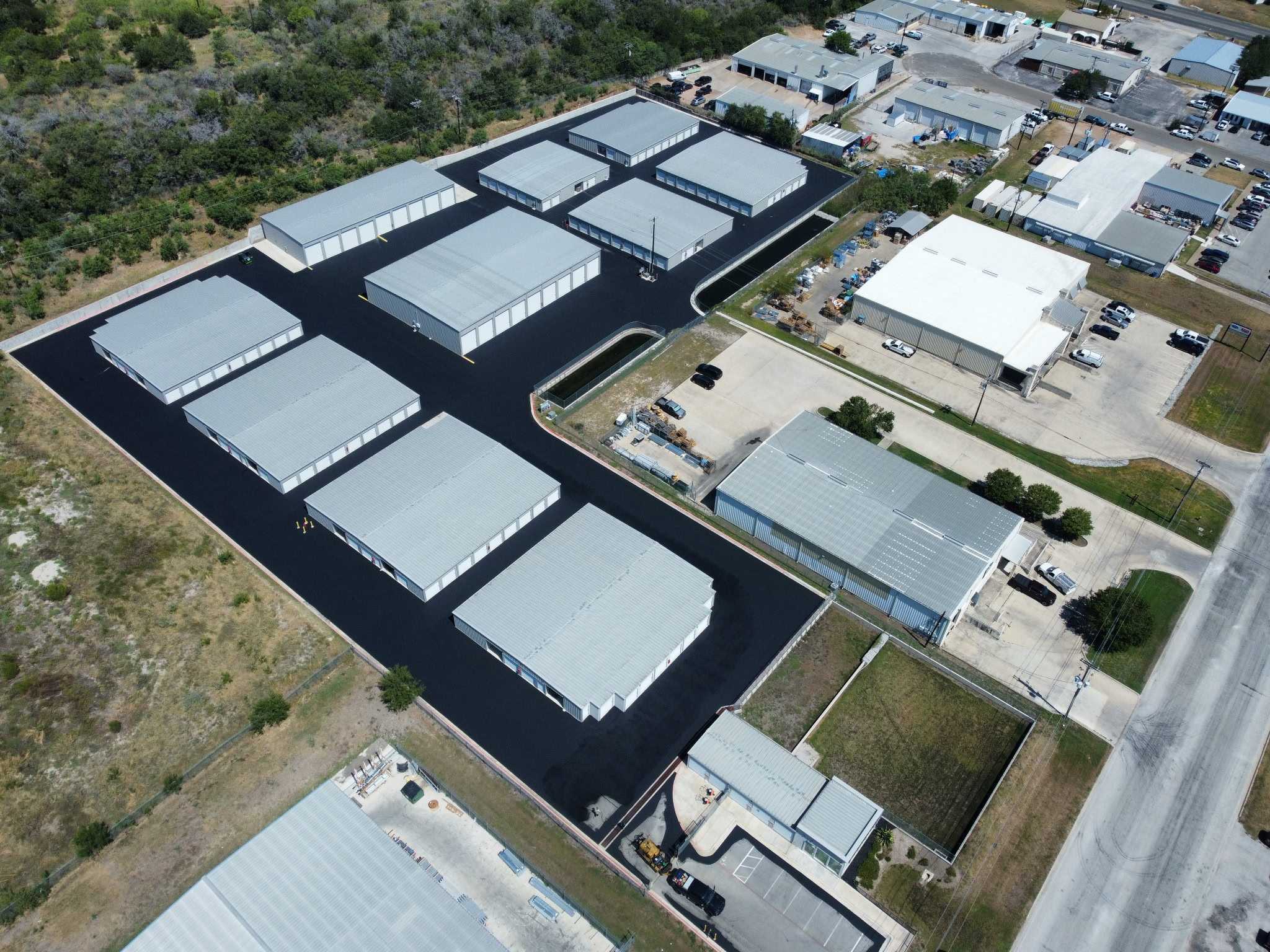
Three commercial asphalt paving bids land on your desk, and the totals look nothing alike. One is half the price of another. Your instinct says pick the lowest number and move on, but that impulse has burned more property managers than any pothole ever has.
The real difference between bids usually hides in scope, not price. Two contractors can quote the same parking lot and describe completely different projects. Diamond Solutions helps property managers cut through that confusion with clear, itemized proposals that make line-by-line comparison straightforward.
This guide walks you through seven steps for comparing commercial paving bids so you can spot scope gaps, prevent change-order surprises, and choose the contractor who will actually deliver what you are paying for.
Quick Guide: How to Compare Commercial Paving Bids in 7 Easy Steps
- Verify That Every Bid Covers the Same Scope of Work: Confirm each proposal includes the same square footage, services, and site boundaries before you compare totals.
- Compare Asphalt Specifications and Material Details: Check that mix type, compacted thickness, and aggregate grade match across every quote.
- Break Down Labor, Equipment, and Mobilization Costs: Separate crew rates, equipment lists, and mobilization charges to find where numbers diverge.
- Review Base Preparation and Subgrade Requirements: Look for grading, compaction, and drainage details that cheaper bids tend to skip.
- Examine Change-Order Terms and Contingency Language: Read markup caps, approval processes, and how unexpected conditions are handled.
- Confirm Insurance, Licensing, and Warranty Coverage: Request current certificates, verify local registration, and compare warranty duration.
- Evaluate the Contractor's Communication and Project Tracking: Ask how you will receive updates, approve decisions, and track progress across properties. Diamond Solutions provides real-time visibility through its Vision platform.
How to Compare Asphalt Paving Bids Without Missing Hidden Risks
1. Verify That Every Bid Covers the Same Scope of Work
Start by confirming that each contractor priced the same project. Lay the proposals side by side and check that the total square footage, pavement type, removal requirements, and site boundaries match on every quote.
One contractor may include crack sealing and striping in the base price, while another lists those as optional add-ons. If the scope is not identical across bids, price comparisons are misleading from the start.
Create a simple spreadsheet listing every line item from each bid in the same order. Flag anything that appears in one proposal but not the others. Those gaps are where change orders tend to originate.
2. Compare Asphalt Specifications and Material Details
Every bid should specify the asphalt mix type, performance-grade binder, aggregate source, and compacted thickness for each lift. Vague language like "standard asphalt" gives you nothing to measure against.
A difference of even one inch in compacted depth changes both the project cost and the pavement's expected service life. If one contractor quotes a two-inch overlay and another quotes three inches over the same area, you are looking at two different pavements.
Ask any contractor who lists a significantly different asphalt specification to explain why. There may be a valid engineering reason, or it may signal a shortcut.
3. Break Down Labor, Equipment, and Mobilization Costs
A single lump-sum number tells you almost nothing about where your money goes. Ask each contractor to itemize crew size, equipment type, daily rates, and mobilization charges separately.
Mobilization covers the cost of transporting paving equipment and crews to your site. Contractors closer to your property typically charge less for mobilization, but the difference can be significant for multi-site portfolios spread across several states.
Compare labor hours, not just labor dollars. A drastically lower labor cost sometimes reflects less experienced crews or subcontracted work rather than genuine efficiency.
4. Review Base Preparation and Subgrade Requirements
Base preparation is where bids diverge the most and where descriptions tend to be the thinnest. This is also where cutting corners causes the most expensive long-term failures.
Check whether each bid specifies grading depth, compaction standards, geotextile fabric (if needed), and how the contractor plans to handle soft spots discovered during work. An overlay poured across a failing base looks identical to a proper job on day one but starts cracking within a season or two.
If a bid is silent on subgrade repair, ask what happens and what it costs when those conditions appear mid-project. The answer will tell you a lot about how that contractor handles the unexpected.
5. Examine Change-Order Terms and Contingency Language
Change orders are the single largest source of budget surprises on commercial paving projects. Before you sign anything, review each contract's markup caps, approval thresholds, and documentation requirements for scope changes.
Look for clear answers to these questions: What markup percentage does the contractor charge on added work? Does the original unit pricing extend to additional quantities? What approval process must happen before extra work begins?
Contractors who define transparent change-order terms upfront are signaling they plan to honor the original scope. Vague language around "unforeseen conditions" often means you will negotiate from a weak position once work is underway.
6. Confirm Insurance, Licensing, and Warranty Coverage
Request current certificates of general liability insurance, workers' compensation, and commercial auto coverage from every bidding contractor. Any firm that cannot produce these documents on request should be removed from your comparison immediately.
Verify local licensing and registration. Requirements vary by municipality, so confirm each contractor meets the rules for your specific project location.
Compare warranty terms carefully. Standard workmanship warranties for commercial paving typically range from one to three years. Check what voids the warranty, how claims are filed, and whether coverage transfers to a new property owner.
7. Evaluate the Contractor's Communication and Project Tracking
A bid tells you what a contractor plans to do. Communication tells you whether they will actually keep you informed while doing it. Ask each contractor how they deliver schedule updates, share site photos, and handle approvals.
For property managers overseeing multiple properties, centralized project tracking is especially valuable. Diamond Solutions gives you visibility into every job through its Vision platform, where you can review proposals, track live project status, and access drone maps and photos from your phone.
A contractor who commits to proactive, documented communication is far less likely to leave you chasing answers once the crew is on site.
What Should a Complete Commercial Paving Bid Include?
A complete commercial paving bid should specify the scope of work, material specifications, labor and equipment breakdown, project timeline, insurance documentation, and warranty terms. If any of these elements are missing, meaningful comparison is not possible because each contractor may be pricing a fundamentally different project.
At a minimum, look for these line items across every proposal:
- Total paved area in square feet or square yards
- Asphalt mix design, binder grade, and compacted thickness per lift
- Base preparation and subgrade treatment details
- Crew size, equipment list, and mobilization costs
- Striping, ADA-compliant markings, and signage
- Tear-out, haul-away, and disposal fees
- Permits, traffic control, and phasing plans
- Warranty duration and coverage exclusions
- Change-order markup caps and approval procedures
When every bidder itemizes the same categories, price differences become meaningful. Without this structure, you are comparing guesses, not projects.
Why Does the Lowest Paving Bid Often Cost More Long Term?
The lowest paving bid often costs more long term because the savings typically come from thinner asphalt, reduced base preparation, or excluded services that you will pay for later through change orders or premature repairs.
A contractor who quotes significantly below the others is usually not more efficient. They are pricing a smaller job. Common shortcuts include skipping subgrade compaction, specifying a thinner overlay, or leaving sealcoating and striping out of the base quote entirely.
According to a 2025 analysis by Construction Lead Pro, only about 48% of construction projects were completed within the original budget, with cost overruns on failing projects averaging 65%. Many of those overruns traced back to vague bids that were accepted without careful line-by-line evaluation.
How Diamond Solutions Helps You Compare Paving Bids With Confidence
Diamond Solutions takes the complexity out of comparing paving proposals by delivering clear, itemized bids that show exactly what is included, what it costs, and what comes next. Every proposal specifies scope, materials, compacted thickness, labor, and timeline so you have a real benchmark to hold competing quotes against.
With $500M+ in parking lots assessed and 1,000+ property managers served across 48 states, Diamond Solutions brings the kind of national-scale experience that multi-site teams need. Your dedicated Account Executive provides schedule updates, site photos, and answers when you call, all centralized through the Vision platform.
If you manage properties across multiple states, one contractor, one point of contact, one consistent standard means you stop juggling local vendors at every site. Get a free pavement assessment and see exactly where your parking lots stand today.
FAQs About Comparing Commercial Asphalt Paving Bids
How many paving bids should I collect before choosing a contractor?
Collect at least three bids from pre-qualified commercial asphalt paving contractors. Three quotes give you enough range to identify outliers, compare scope, and evaluate pricing without overwhelming the decision. Diamond Solutions provides detailed proposals, typically within a week, making it easy to include in your bid set.
What is the biggest red flag in a commercial paving bid?
A single lump-sum price with no line-item breakdown is the biggest red flag. When a contractor does not separate materials, labor, mobilization, and base preparation, you have no way to compare scope or identify where costs are being cut. Always require itemized proposals.
Should I always reject the lowest bid?
Not always. A low bid is acceptable if it includes the same complete scope, material specifications, and warranty terms as the competing proposals. The concern is when the low price comes from thinner asphalt, reduced base work, or excluded services. Diamond Solutions provides honest, easy-to-understand estimates so you can see exactly what you are paying for.
How do change orders affect my total project cost?
Change orders add work and cost beyond the original contract. They often result from vague scope definitions, unexpected site conditions, or items that were left out of the initial bid. You can reduce change-order risk by requiring detailed bids upfront, defining markup caps in the contract, and choosing a contractor like Diamond Solutions that documents every aspect of the project scope.
Can I compare bids if contractors use different pricing formats?
You can, but it requires extra work. Unit-price bids break costs into measurable quantities (per ton, per square foot), while lump-sum bids combine everything into one total. To compare them fairly, ask each contractor to itemize the same line-item categories so the numbers reflect equivalent work.
What warranty length is standard for commercial parking lot paving?
Standard workmanship warranties for commercial paving typically range from one to three years. Performance warranties on materials can extend longer depending on the mix design and project scope. Review what voids the warranty and how claims are processed before signing.
Related POsts

6 Best Commercial Paving Contractors for Multi-Site Lots (2026)
How to Compare Commercial Asphalt Paving Bids in 7 Steps (2026)

